
A simple starting point for safer sleep
A sleep space doesn't need to look like a nursery photograph. A few clear choices, shared by everyone who cares for your baby, matter much more.
The essentials
- Put your baby on their back for sleep in a clear, firm and flat sleep space.
- Plan ahead for tired feeds and naps away from home.
- Share the same trusted safer-sleep guidance with every caregiver.
Start with the place your baby will actually sleep
It's easy to spend time choosing colours for a nursery and rather less time picturing the middle of the night. Where will the baby go after a feed? Can you reach that space comfortably? Those ordinary questions are a useful place to begin.
The NHS recommends a separate cot or bassinet in your room for at least the first six months. Put your baby down on their back, on a firm, flat mattress. Keep pillows, bumpers, toys and loose bedding out of the sleep space. The setup can be simple, even if the rest of the room is covered in unfolded washing.
Further guidance: NHS: Safer sleep advice
Be choosy about what goes in the cot
An accessory can look cosy in a photograph without being appropriate for sleep. The NHS advises against cushioned sleeping pods and nests. Check the actual product instructions and trusted safer-sleep advice before adding something to the cot because it seems comforting.
Keep the instructions for the mattress, cot and any sleeping bag you use. If a relative offers an accessory, you can thank them and explain the setup you've chosen. Having a clear shared plan is easier than having to make a new decision about each gift at bedtime.
Further guidance: NHS: Safer sleep advice
Make a plan for the really tired moments
Feeding in the small hours can leave you struggling to keep your eyes open. Falling asleep with a baby on a sofa or armchair is particularly dangerous. Plan how you'll return your baby to their own sleep space, and seek advice if you're regularly finding this difficult.
Where possible, agree in advance how another adult can help. That might mean bringing the baby back to the cot after a feed or taking a turn with other care. A plan made earlier gives you something practical to lean on when everyone is exhausted.
Further guidance: NHS: Safer sleep advice
The same care at Grandma's house
Before the first nap away from home, talk about where your baby will sleep. Red Nose's recommendations include back sleeping, an uncovered head and face, a smoke-free environment and a safe sleep space. Read the complete recommendations together, including the advice about sharing a room.
Showing the setup is more useful than saying 'just follow the usual routine'. Make time for questions, especially if a grandparent's experience comes from a different generation of advice. You can appreciate their help while being clear about the guidance you want followed now.
Further guidance: Red Nose Australia: Six safe sleep recommendations
Give each helper something useful to refer to
Save a trusted safer-sleep link somewhere your caregivers can find it. Add the practical details for your home: which cot you use, where its instructions are kept and who to contact with questions. Keep that information separate from a list of nap times.
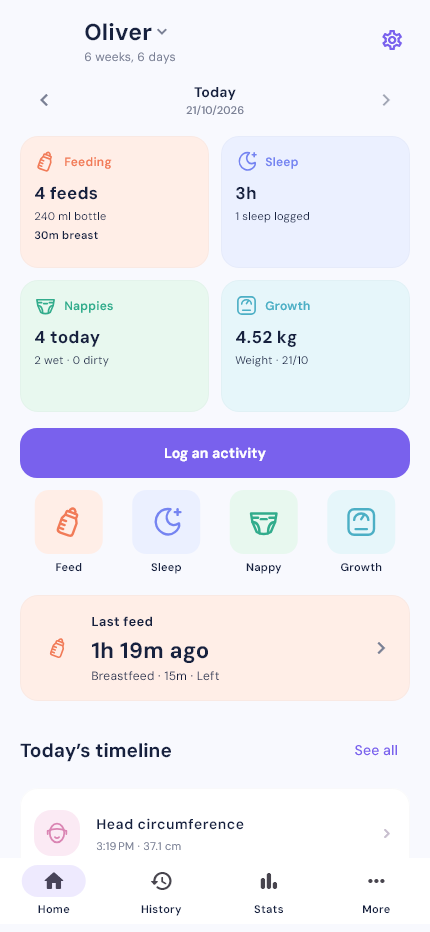
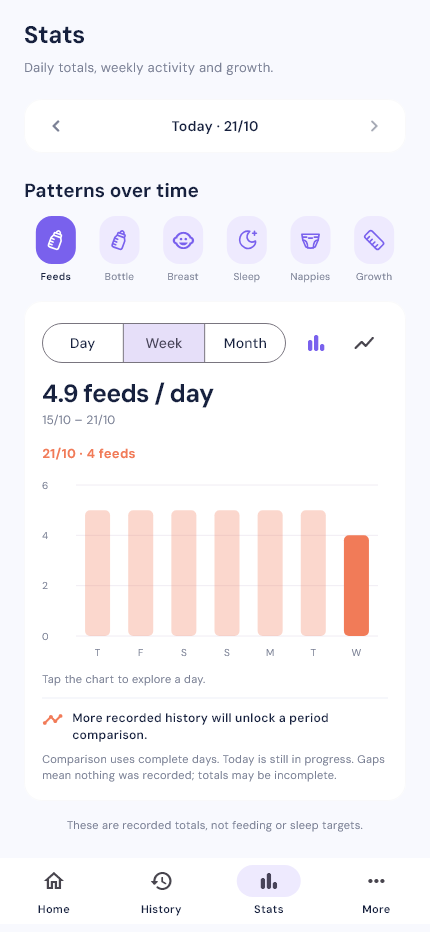
If you use Baby Tracker, a sleep entry can help someone remember when the baby last rested. It isn't a check of their position or surroundings, and it doesn't monitor breathing. The person caring for your baby still needs to check the real sleep space and follow the agreed plan.
Come back to the guidance when things change
Travel, new equipment and a change in caregivers can all mean revisiting the sleep setup. You don't have to learn every possible situation at once. Read the full linked advice and ask your healthcare team about your baby's circumstances, especially if they were premature or have additional needs.
Make the conversation practical: 'Where will the cot go?', 'What will they wear?' and 'What will we do after the night feed?' Clear answers are easier to use than a collection of reassuring product claims. The aim is a plan everyone understands, including on an ordinary, tired Tuesday.
Sources & further reading
For the full guidance and advice for your circumstances, start with your local healthcare team and these resources.
NHS: Safer sleep adviceRed Nose Australia: Six safe sleep recommendationsGeneral information only. This site and app do not diagnose, treat or monitor medical conditions. If your baby seems unwell, seek medical advice rather than waiting to collect more records.
A little more to explore

Newborn sleep: small stretches, changing days
The house may be quiet at 3 am, but life with a newborn rarely follows office hours. A gentle guide to those early, uneven days and nights.
Read guideNaps, night waking and the bigger picture
A short nap can feel very long when you've spent half the morning settling. Here's a kinder, more useful way to look at the whole day.
Read guide